We’re excited to welcome you into our new curated collection, born from the work of 23 artists and created to bring fine art prints closer to every home.
We’re excited to welcome you into our new curated collection, born from the work of 23 artists and created to bring fine art prints closer to every home.
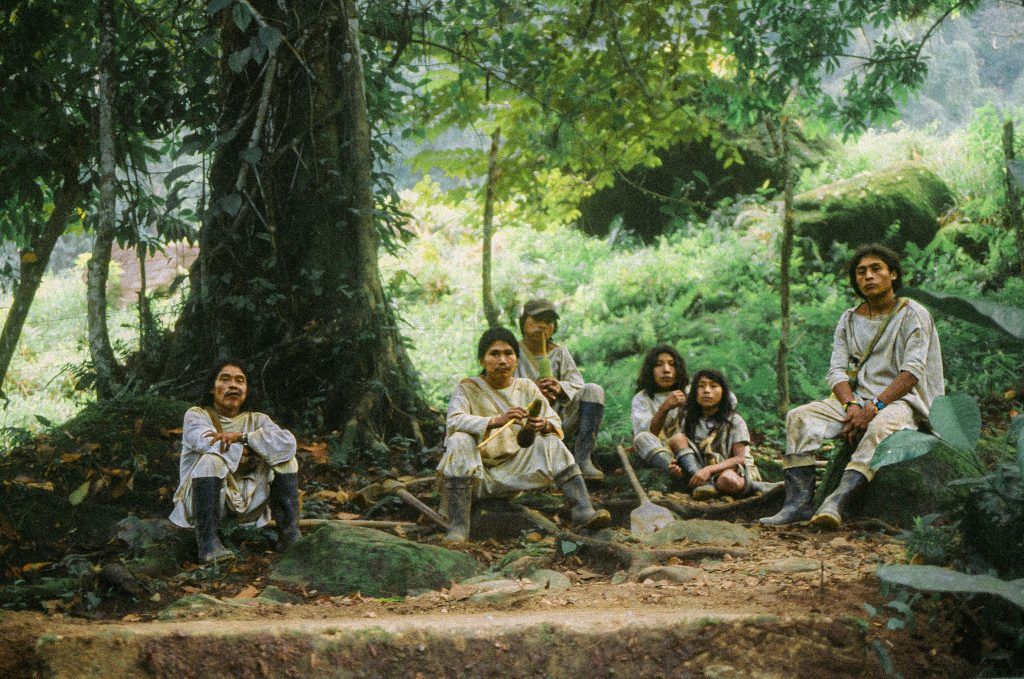
The Writing of Appearances is a sensory and poetic journey that questions the limits of visibility while tracing the path that leads to the ancient golden city of the Tayrona people. Using photography and documentary film as a medium, this exploration of identity, nature, and ancestral wisdom amplifies the voices of indigenous and peasant communities in the Sierra Nevada de Santa Marta, on the Caribbean coast of Colombia.
Through the testimonies of local communities, the project seeks to build a bridge between the Western relationship with the territory and the ancient spiritual beliefs that the Tayrona people have preserved for centuries. Through these perspectives, we are invited to reflect on the power – and vulnerability – of the image, in an urgent call to save the historical memory of the jungle.
In its effort to support indigenous communities and the preservation of ancestral beliefs, a portion of the funds from this project will be used to contribute to the construction of a school in Machete Pelado in Magdalena, Colombia. This will be a place where Kogui wisdom will be shared with the children of the community, promoting the memory and values of the Tayrona people. We have the support of the mamos (community leaders) and representative councils for this endeavour.
Nicolás Cifuentes is a Colombian filmmaker and photographer who works on audiovisual projects in France and Colombia. He is an active member of “Le Chien qui Aboie” and coordinates the Colombian Film Panorama festival in Paris. He has worked on several documentaries in France, including “Psicomagia” by Alejandro Jodorowski and “Música y Vida” by musician Carlos Vives, as well as “Dépuis que le soleil à brulé” by Michael D’Auzon, among other unique projects.
CATALOG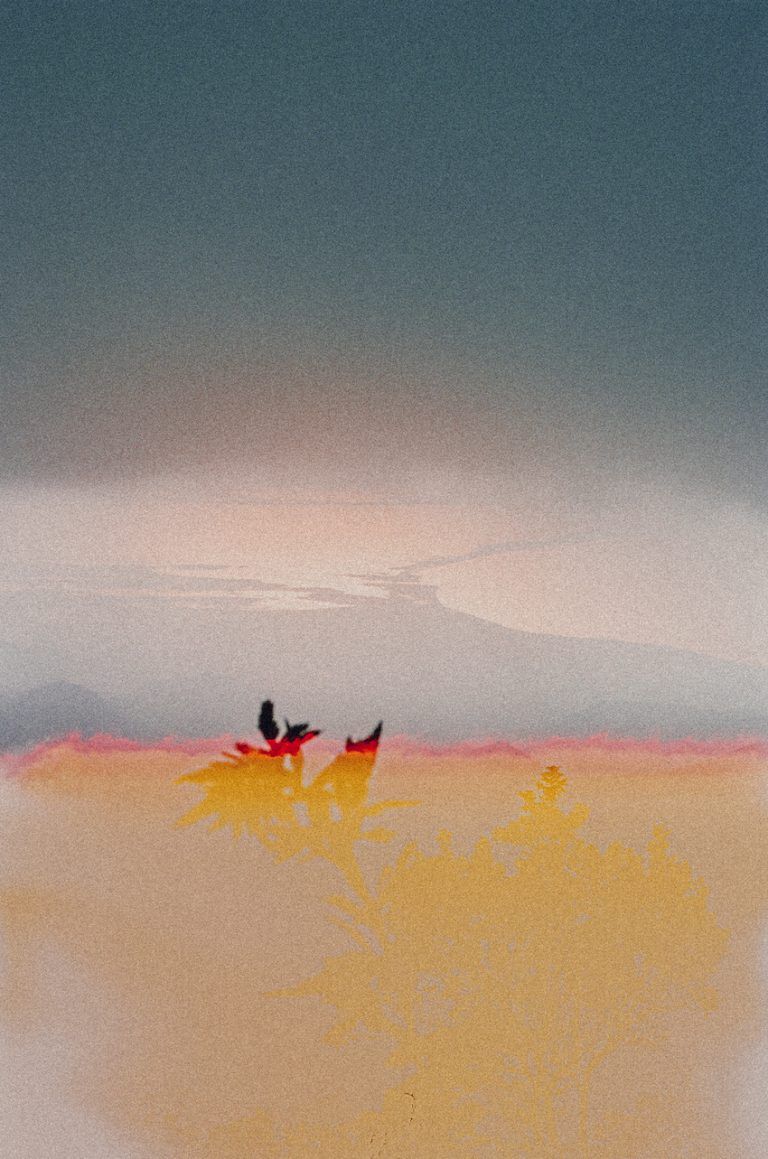
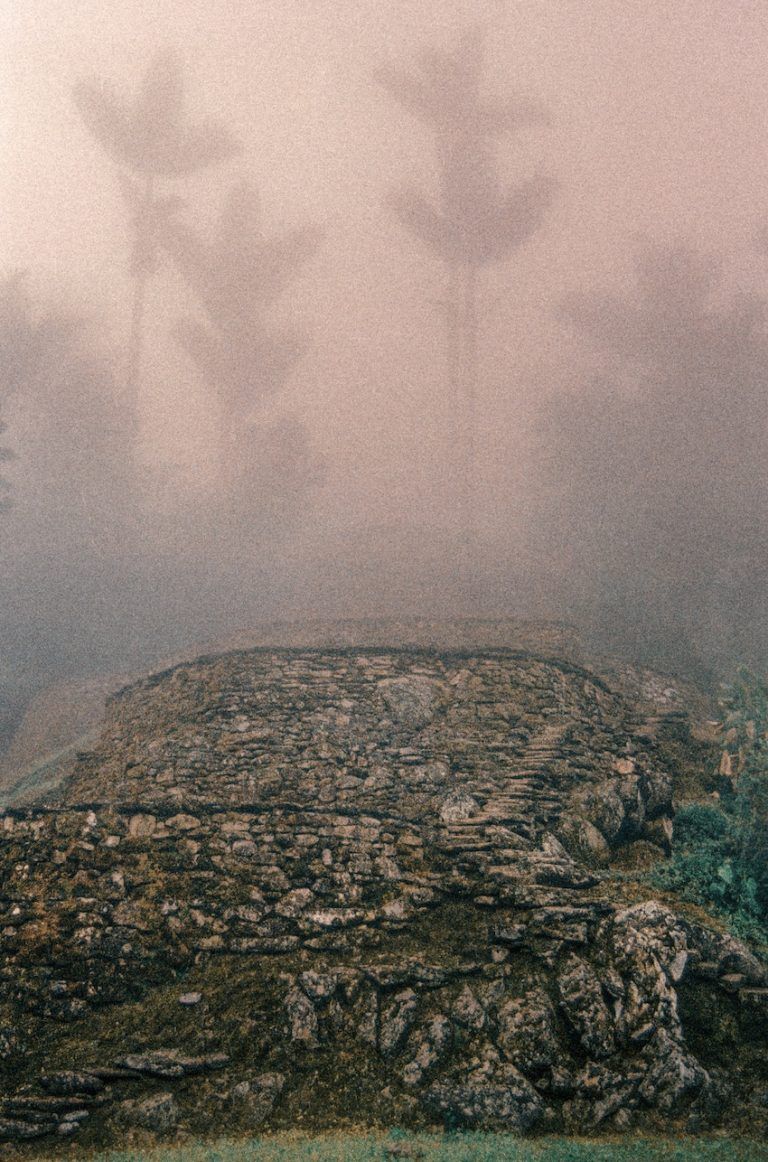
For the artist, as for the most uncultured man, there are neither concrete forms nor abstract forms. There is only communication between the seer and what is seen, an effort of understanding, of relation, sometimes of concretion, of creation. To see is to comprehend, to judge, to transform, to imagine, to forget or to forget oneself, to see is to be and to disappear. We do not see, we are seen.
It is through the complexities of a historical context, the combination of different perspectives and life stories, that a critical view of the territory can be forged. In this sense, the characters that are part of the work are leaders and/or representatives of different guilds and communities that cohabit the region. Our main character is Carlos Pineda: one of the first guides to take tourists on the route, former cook of the famous guaquero Franky Rey. Carlos has witnessed and participated in the changes of the path leading to the Lost City of the Tayronas, even before it was rediscovered.
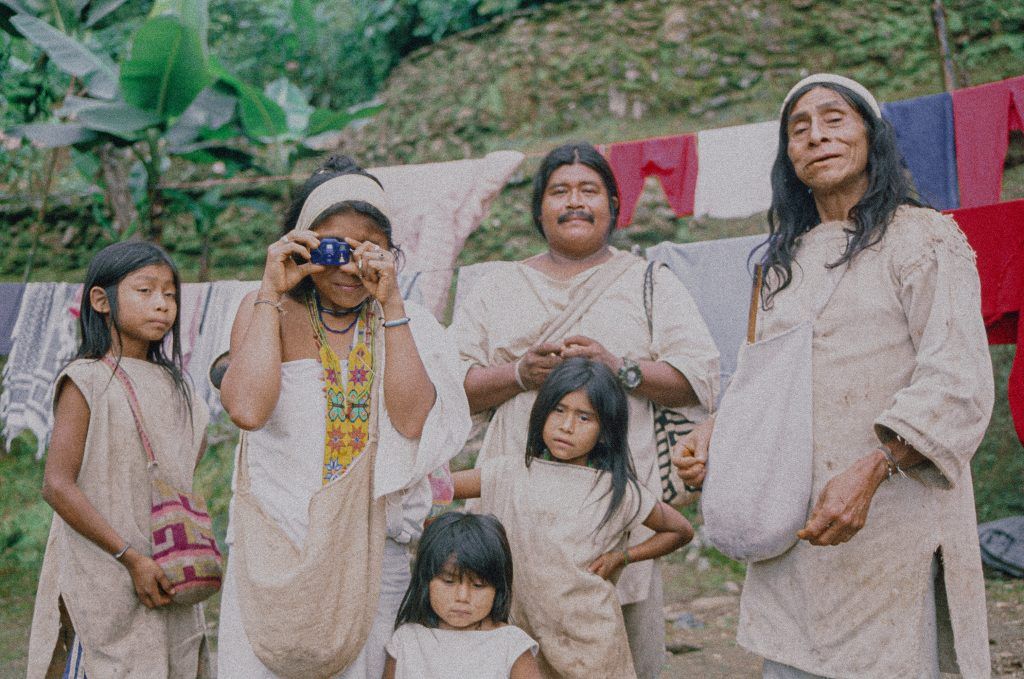
The journey to the Lost City is divided into camps, and the tourism business is organized into peasant guilds: muleteers, pirates (motorcycle taxis), cooks, guides, translators, and caretakers. The first half of the journey, which begins in Machete Pelado, is under the responsibility of the peasants. From the Mumake campsite onwards, the entire tourism business is managed by the indigenous people. We want to show the ascent to the Lost City through its protagonists.
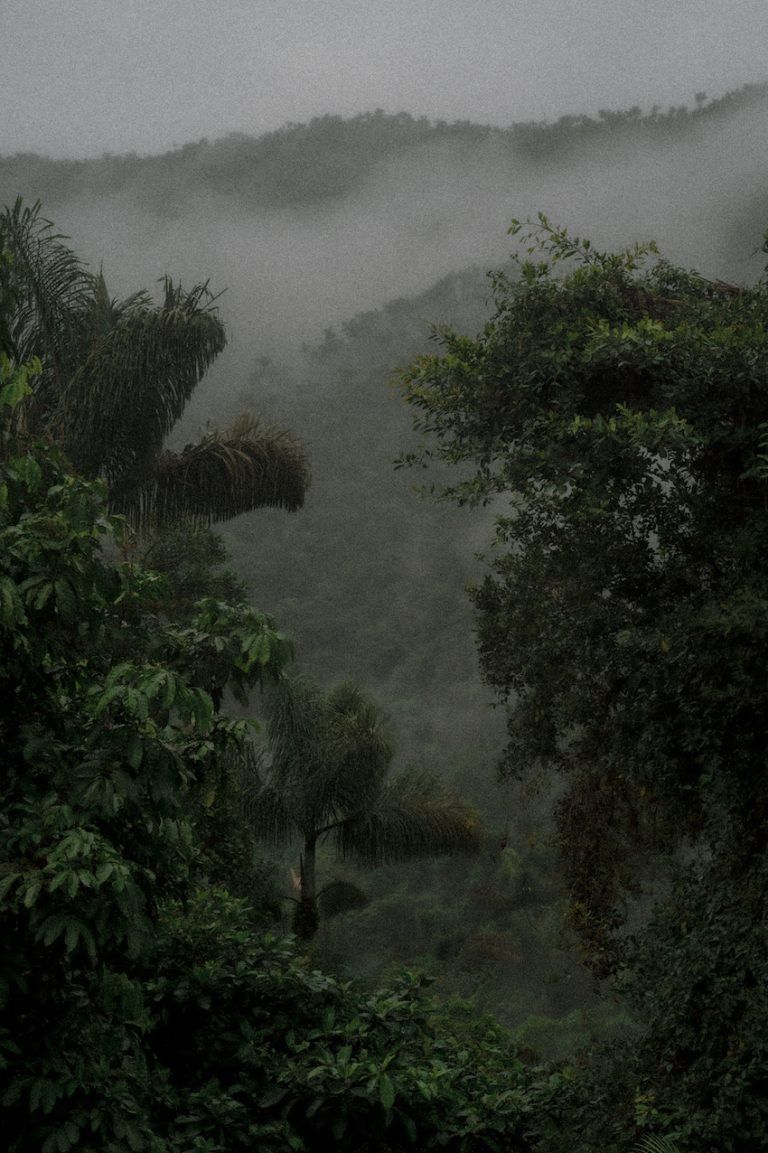
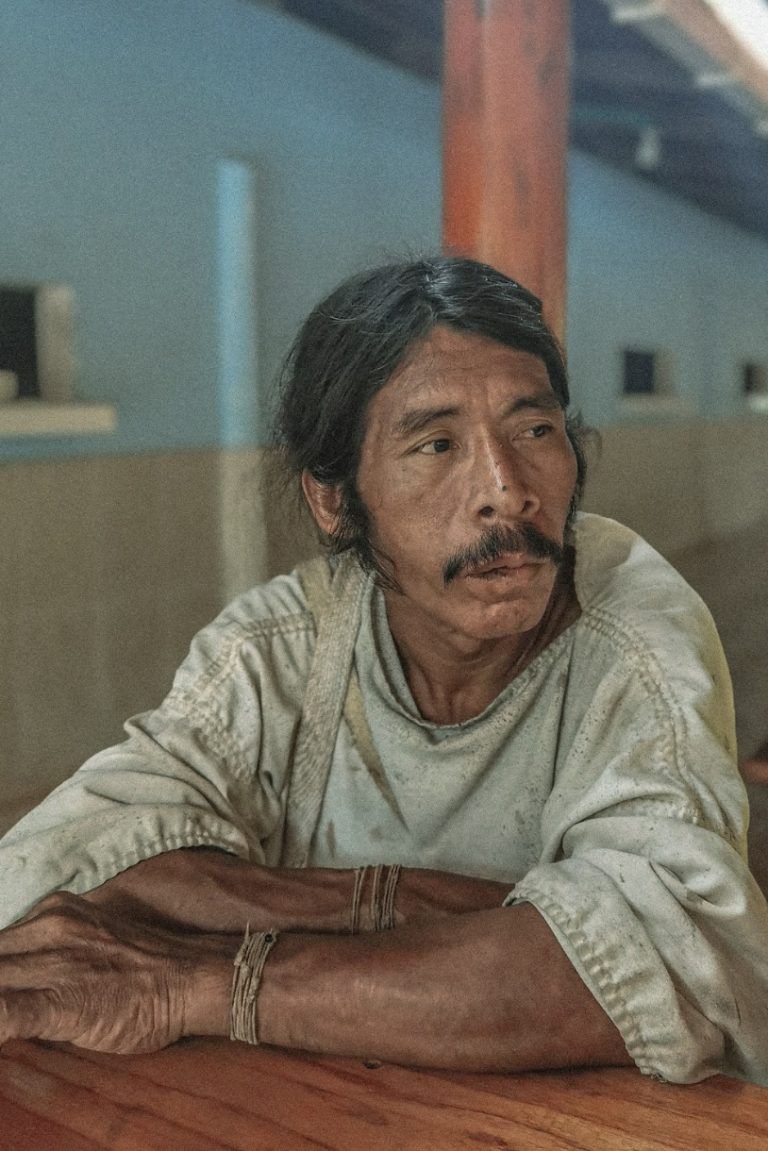
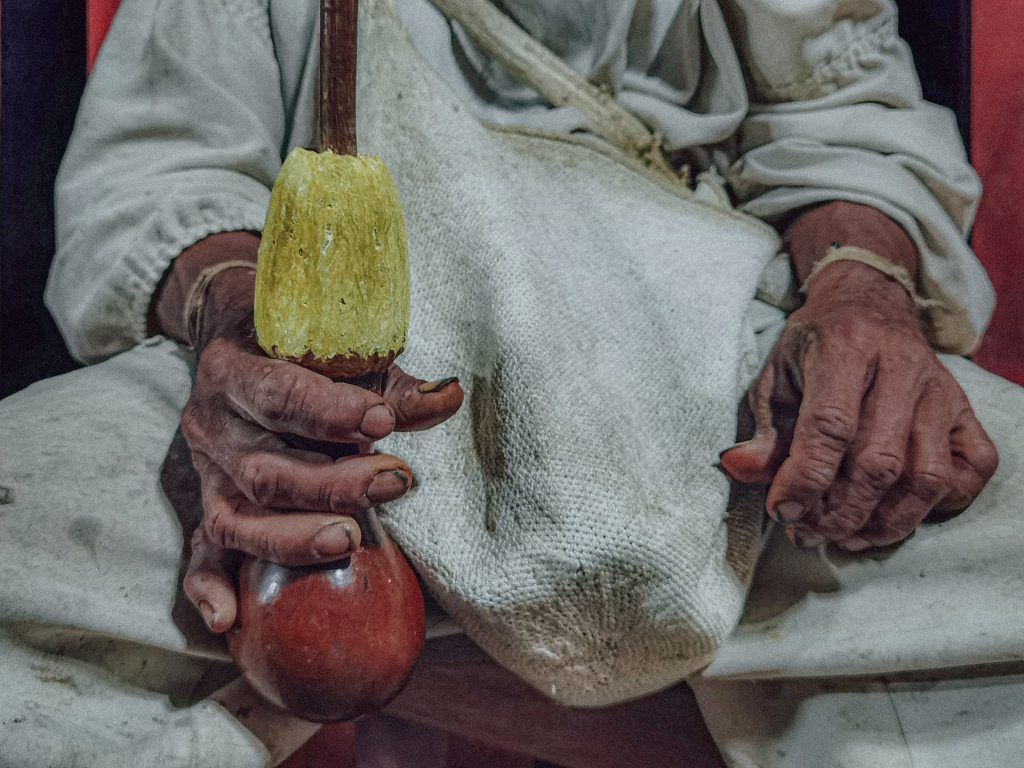
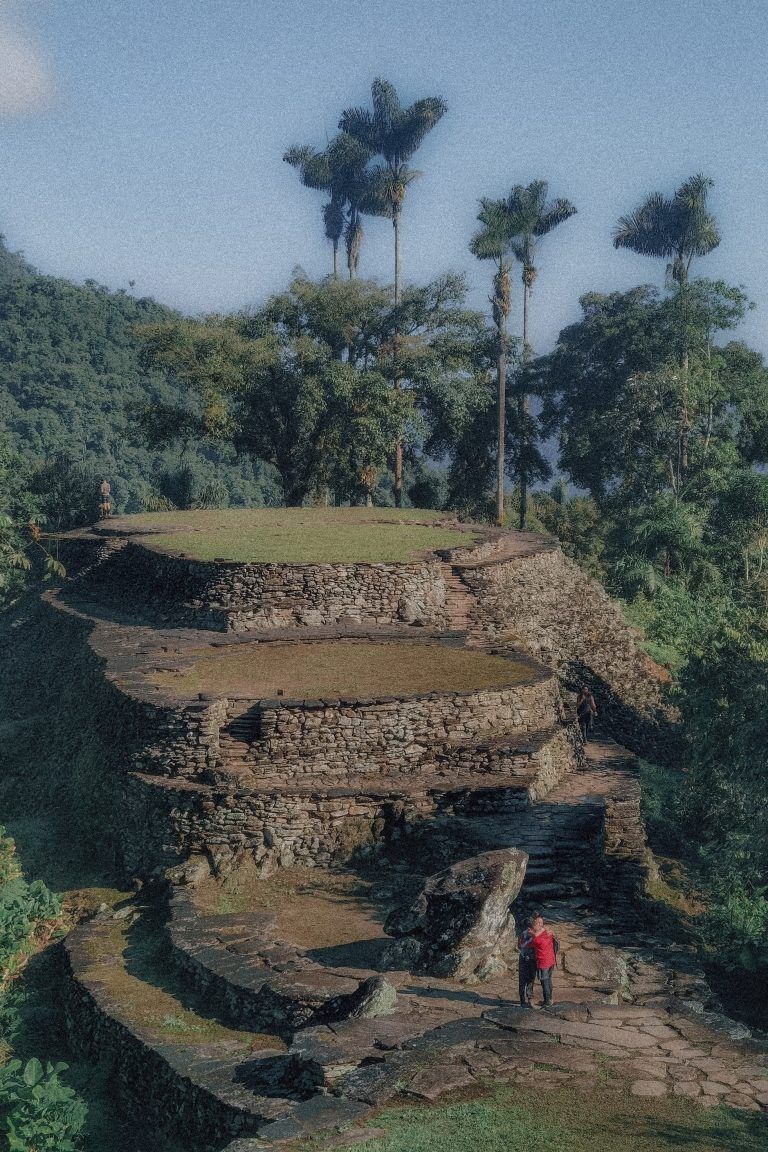
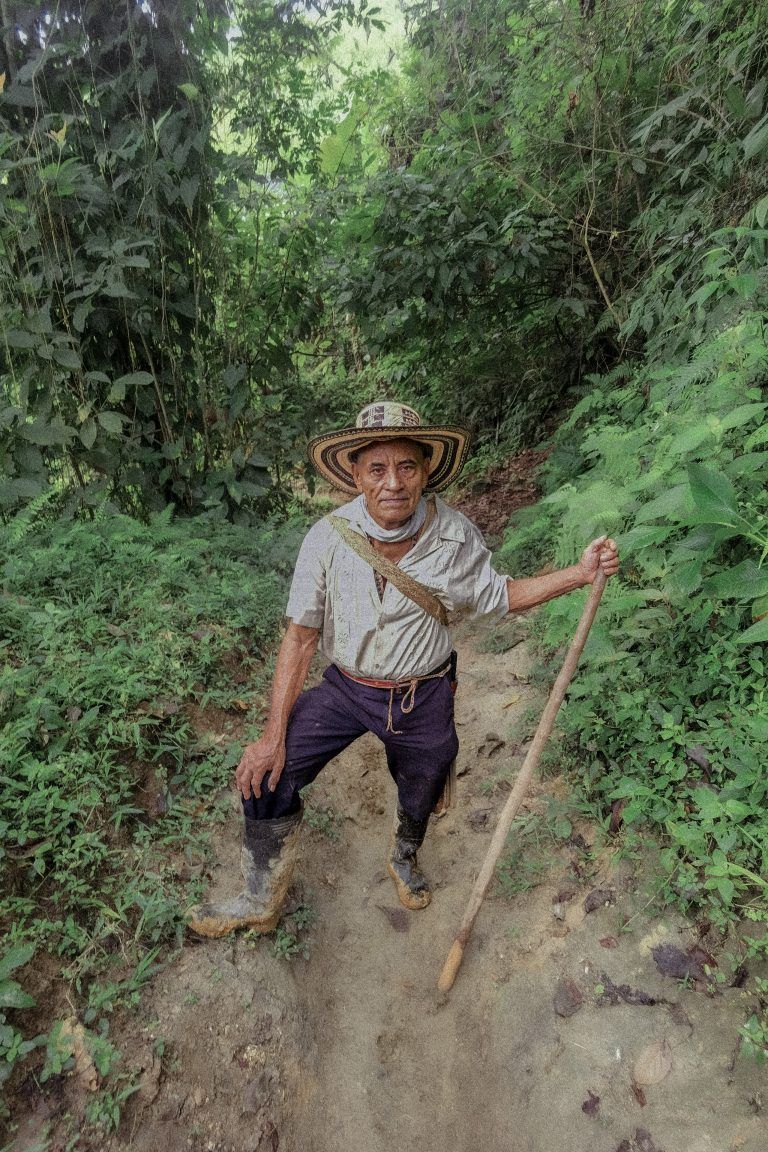
This project falls within the cinematographic tradition of cinema verité or direct cinema. It uses film as a means to address real social issues both objectively and subjectively, without staging characters or scenery. In this audiovisual exercise, naturalistic techniques condition the approach, such as the use of non-professional actors, non-invasive filming techniques, frequent use of handheld camera, real locations, and a naturalistic treatment of sound.